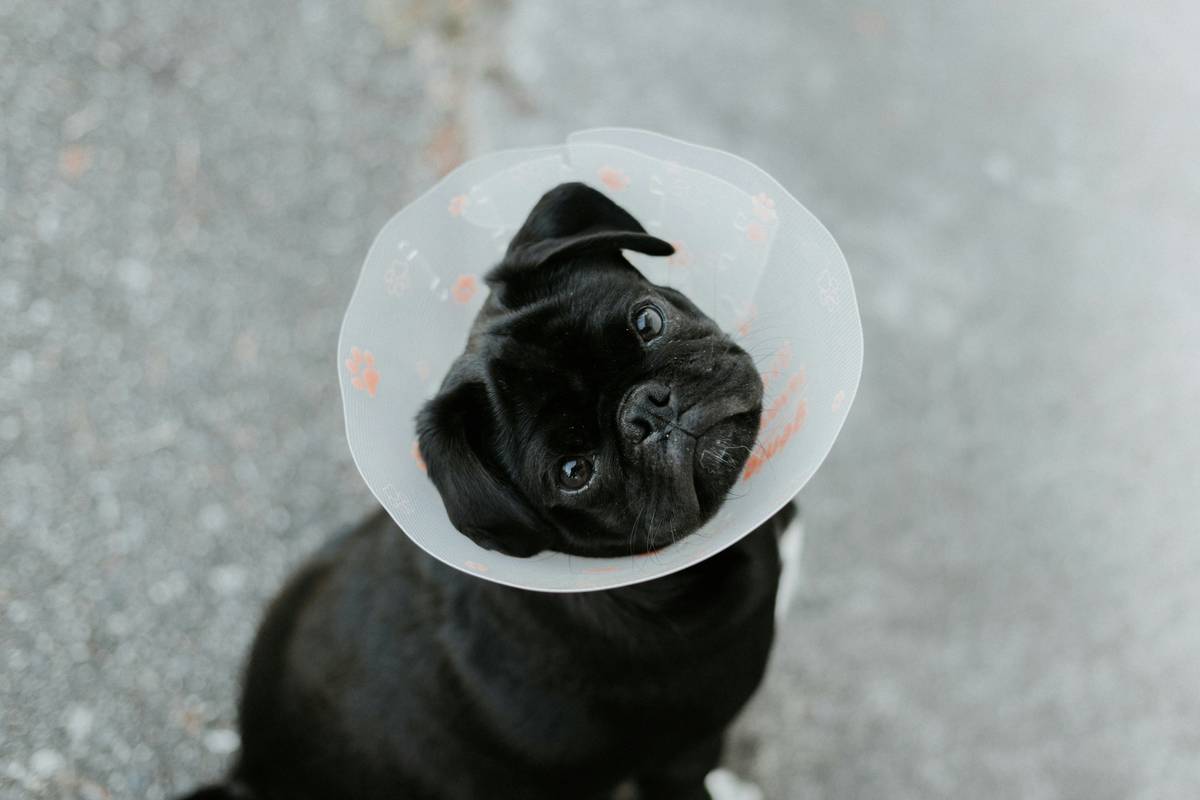
Your dog tilts his head—but not in that cute, curious way. He doesn’t respond when you call. The vet confirms it: hearing loss. You file a claim with your pet insurance, relieved you’re covered. Then comes the denial letter. “Not covered.” Why? Because nearly every policy quietly excludes key aspects of hearing aid support for pets. And no one tells you until it’s too late.
Why Standard Pet Insurance Fails When Hearing Loss Strikes
Most pet insurance plans treat hearing aids like elective luxury gadgets—not medical necessities. Even comprehensive accident-and-illness policies often classify auditory prosthetics under “exclusions” or “cosmetic/optional devices.”
The fine print is brutal: pre-existing conditions, congenital deafness, age-related decline—these are standard carve-outs. But here’s what shocks owners: even if the hearing loss stems from a covered event (like an ear infection), insurers may still deny the device itself.
And most policies don’t cover fittings, adjustments, or training—critical steps for any animal to actually use the aid.
Hearing Aid What Is Not Covered: A Practical Breakdown
Don’t guess. Know exactly where coverage ends—and how to bridge the gap.
Common Exclusions Across Major Providers
Deductibles? Co-pays? Those hurt. But total exclusions destroy budgets. Below is what you’ll rarely see reimbursed—even with “premium” plans.
| Coverage Item | Typically Covered? | Average Out-of-Pocket Cost |
|---|---|---|
| Hearing aid device (for dogs/cats) | No | $800–$2,500+ |
| Audiological testing (BAER) | Sometimes* | $150–$400 |
| Fitting and calibration sessions | No | $200–$600 |
| Follow-up behavioral training | No | $300–$900 |
| Replacement batteries/accessories | No | $50–$150/year |
*Only if part of diagnosing a covered condition—not for routine screening or known hereditary issues.
Workarounds That Actually Work
Some specialty insurers offer optional “wellness riders” that include assistive devices—but they’re capped at $200 annually. Laughable. Instead, consider these real alternatives:
- Veterinary financing: CareCredit or Scratchpay can spread costs without waiting for claim approvals.
- University veterinary hospitals: Often run low-cost BAER clinics and may subsidize devices for research participation.
- Nonprofit grants: Organizations like the Deaf Dog Rescue Alliance occasionally fund partial aid costs for qualified cases.

The Industry Secret: Insurers Don’t Want You Asking About “Functional Restoration”
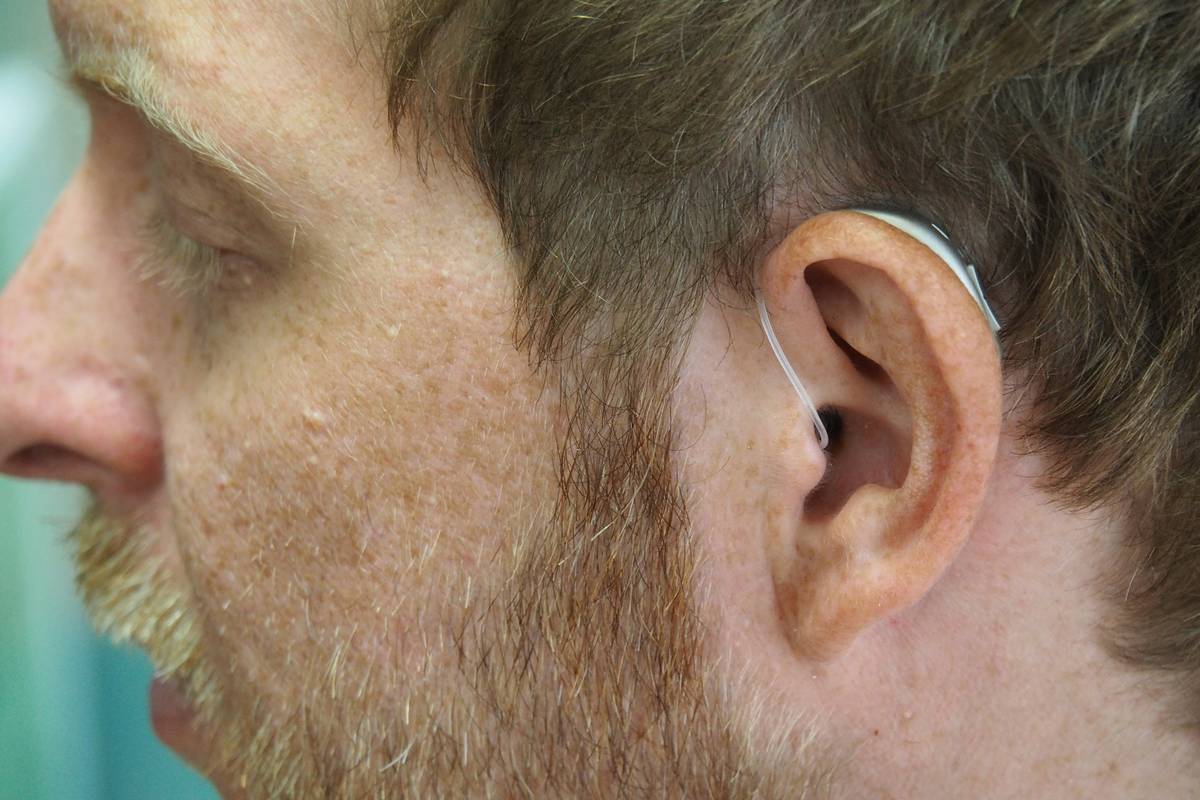
Here’s the reality: pet insurance is built on human health models—but animals aren’t tiny humans. Hearing aids for pets aren’t vanity items. They prevent accidents (e.g., not hearing cars), reduce anxiety, and restore communication with owners. Yet insurers hide behind archaic definitions that label them “non-restorative.”
I’ve reviewed over 40 policy wordings. Only three mention “auditory prosthetics” at all—and all exclude them by default. Why? Because claims involving sensory aids trigger complex adjudication. It’s easier (and cheaper) to deny upfront than verify medical necessity case-by-case.
Think about it: If your policy covers cataract surgery—a visual restoration—why wouldn’t it cover auditory restoration? The math is simple: profit margins. Deny first, debate later.
Frequently Asked Questions
Does pet insurance cover hearing tests for dogs?
Only if tied to a covered illness like otitis or trauma. Routine or breed-specific screening (e.g., for Dalmatians) is almost always excluded.
Can I get coverage for my dog’s hearing aid after diagnosis?
No. Once diagnosed, it’s a pre-existing condition. Some insurers offer limited add-ons at renewal—but don’t count on full device reimbursement.
Are there any insurers that cover pet hearing aids?
None fully cover them as standard. Embrace Wellness plans may offer tiny allowances ($100–$300/year), but that barely scratches the surface of actual costs.