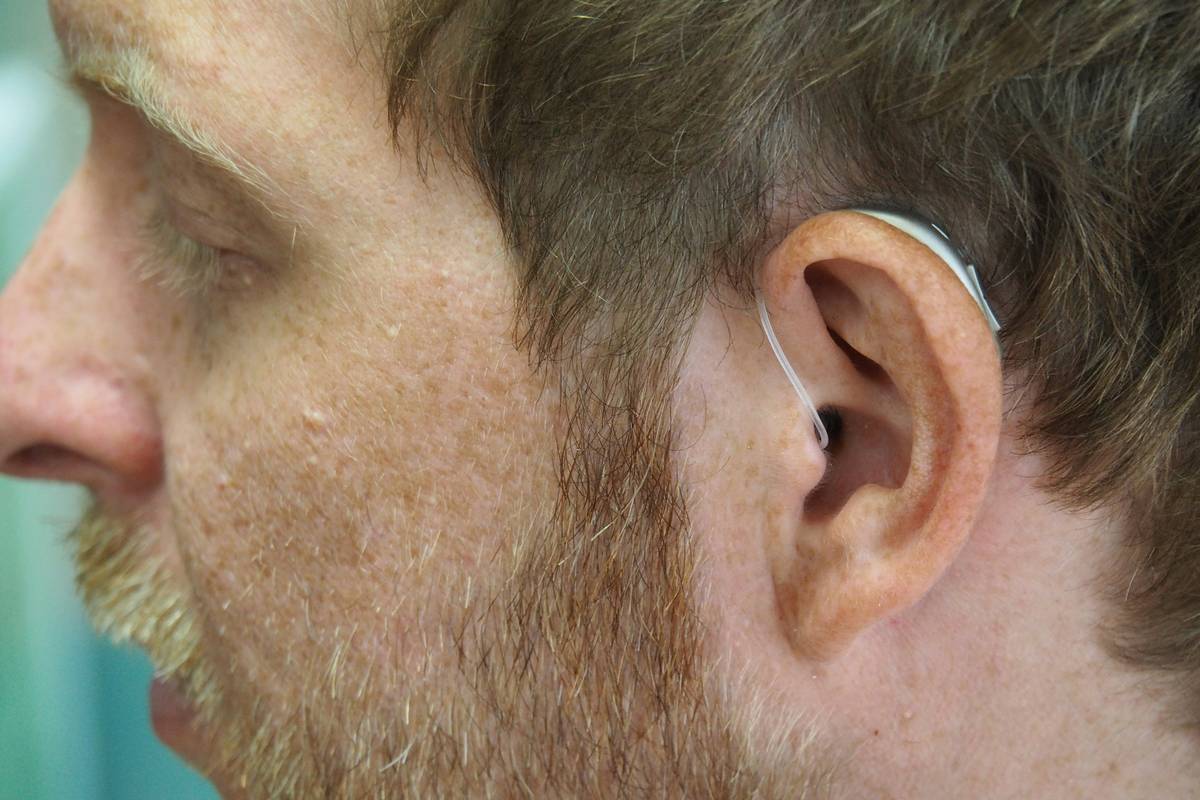
Pets lose hearing—just like humans. But if your dog’s already struggling to respond to commands or your cat startles at every touch, you’re likely hitting a wall: most pet insurance plans exclude pre-existing conditions. That means no coverage for diagnostics, hearing aids, or even basic auditory support if the issue was noted before enrollment. Frustrating? Absolutely. Hopeless? Not quite.
Why “Pre-Existing” Crushes Coverage Dreams
Insurance companies aren’t being cruel—they’re managing risk. If your pet was diagnosed with otitis media last year or showed signs of deafness during a wellness visit, that’s a red flag on their records. Standard policies treat that as “pre-existing,” and deny claims related to it forever—or until an arbitrary waiting period passes (which rarely applies to chronic conditions like hearing loss).
Most pet owners don’t realize symptoms count as pre-existing—not just formal diagnoses. Scratching ears? Ignoring recall cues? Those behaviors logged in vet notes can void future hearing-related claims. And yes—that includes advanced interventions like canine hearing aids.

How to Actually Get Coverage for Pre-Existing Hearing Issues
Few options exist—but they’re not zero. The trick is timing, documentation, and knowing which insurers bend (slightly) on exclusions.
Step 1: Audit Your Pet’s Medical Timeline
Request full records from every clinic you’ve visited. Look for ambiguous phrasing. Was “possible hearing deficit” noted as a concern—or confirmed via BAER testing? Insurers often accept coverage if symptoms weren’t definitively diagnosed. Gray areas = opportunity.
Step 2: Target Niche Insurers (Not the Big Names)
Major brands like Trupanion or Healthy Paws enforce hard exclusion rules. But smaller carriers—especially those partnering with veterinary specialists—sometimes offer limited add-ons for sensory conditions after 12–24 symptom-free months. It’s rare. But it happens.
Step 3: Consider Alternative Funding Models
If insurance denies you, explore payment plans through specialty clinics or nonprofit grants (like Frankie Fund or Magic Bullet Fund). Some hearing aid providers even offer leasing—bypassing insurance entirely.
| Option | Covers Pre-Existing Hearing Loss? | Avg. Monthly Cost | Key Limitation |
|---|---|---|---|
| Traditional Pet Insurance (e.g., Nationwide) | No | $35–$60 | Excludes any condition with prior symptoms or diagnosis |
| Niche Insurer Add-Ons (e.g., Embrace Wellness Rewards) | Partial* | $50–$85 + add-on fee | *Only if 18+ months symptom-free; excludes devices |
| Veterinary Payment Plans (e.g., CareCredit) | Yes | $0 upfront | Interest accrues; no risk pooling |
| Hearing Aid Leasing (Clinic-Specific) | Yes | $40–$100/mo | Device remains property of provider |
The Industry Secret: “Cured” Conditions Aren’t Always Excluded
Here’s what insurers won’t advertise: if a veterinarian documents a hearing-related condition as “resolved” or “cured”—even temporarily—you might qualify for coverage later. Example: A dog treated for severe ear mites causing temporary conductive hearing loss. Once cleared with no recurrence for 12 months, some underwriters reclassify it as “curable,” not “chronic.” Suddenly, sensorineural degeneration down the line could be covered.
But—and this is critical—the original vet note must explicitly state “resolved with no residual deficit.” Vague language like “improved” or “managed” won’t cut it. Push your vet to use precise terminology during follow-ups. This loophole works in fewer than 15% of cases, but when it does, it changes everything.
FAQ
Can I get pet insurance after my dog is diagnosed with hearing loss?
Generally, no. Most insurers exclude any condition diagnosed or symptomatic before policy activation. However, some may cover unrelated future illnesses.
Do any pet insurance plans cover hearing aids for dogs?
Rarely. Even accident-only or comprehensive plans typically exclude prosthetics like hearing aids—unless bundled under a very specific hereditary condition rider (e.g., for Dalmatians).
What’s the cheapest way to manage pre-existing hearing loss in pets?
Start with environmental adaptations: vibration collars, hand signals, and home safety tweaks. These cost little but significantly improve quality of life without relying on insurance.