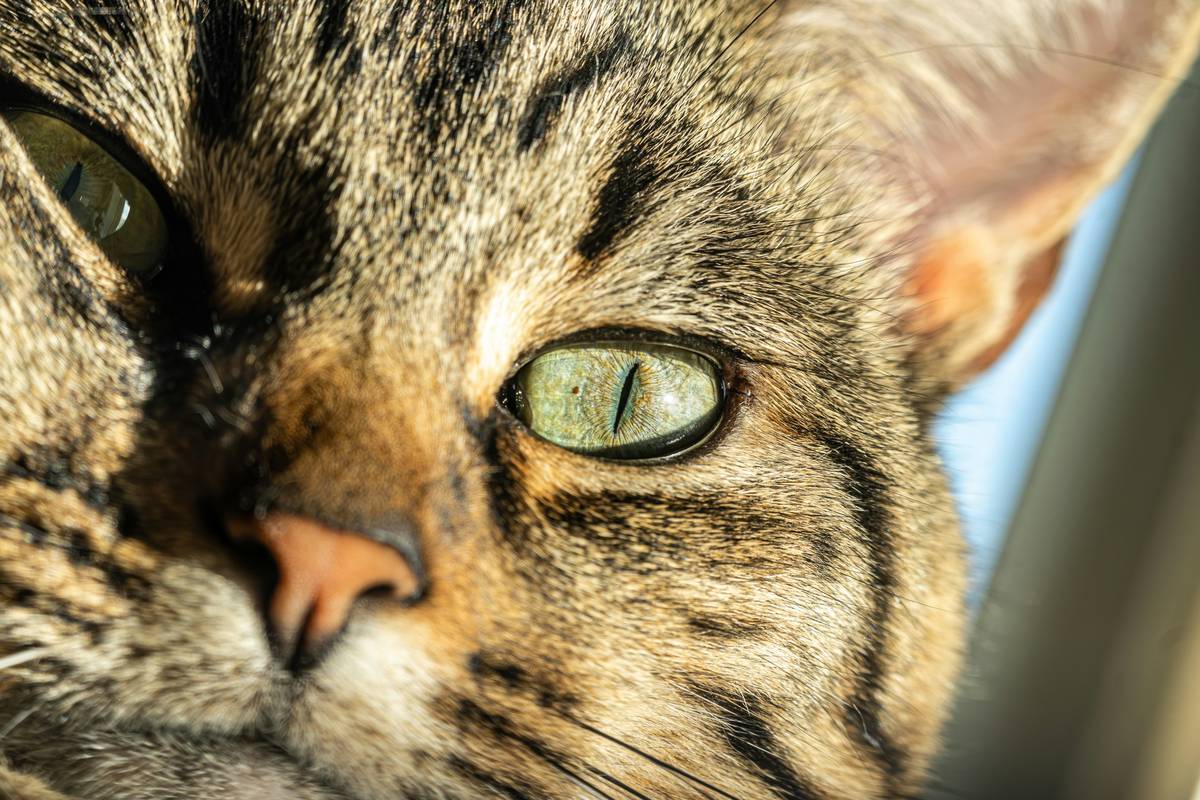
Your cat doesn’t respond when you call. You’ve tried treats, toys, even shouting their name—but nothing sticks. It’s frustrating, expensive, and makes vet visits feel like guesswork. What if the issue isn’t disobedience… but undetected hearing loss? A structured cat hearing training plan isn’t just about obedience—it’s early diagnostics disguised as everyday interaction.
Why Most Cat Training Fails When Hearing Is Compromised
Traditional clicker training assumes your cat hears the click. But up to 30% of white-coated cats with blue eyes show congenital deafness—and many senior cats lose high-frequency hearing silently. Owners waste months “training” a cat that literally can’t hear them. And here’s the kicker: most pet insurance policies exclude hearing-related diagnostics unless tied to an accident. So you’re stuck paying out-of-pocket for BAER tests ($200–$400) while blaming yourself for poor training results.
Training without verifying auditory function is like tuning a piano that has no strings.
Building Your cat hearing training plan: A Step-by-Step Framework
Forget generic YouTube tutorials. This method blends behavioral observation with low-cost at-home screening—before you spend a dime on professional evaluation.
Phase 1: Baseline Observation (Week 1)
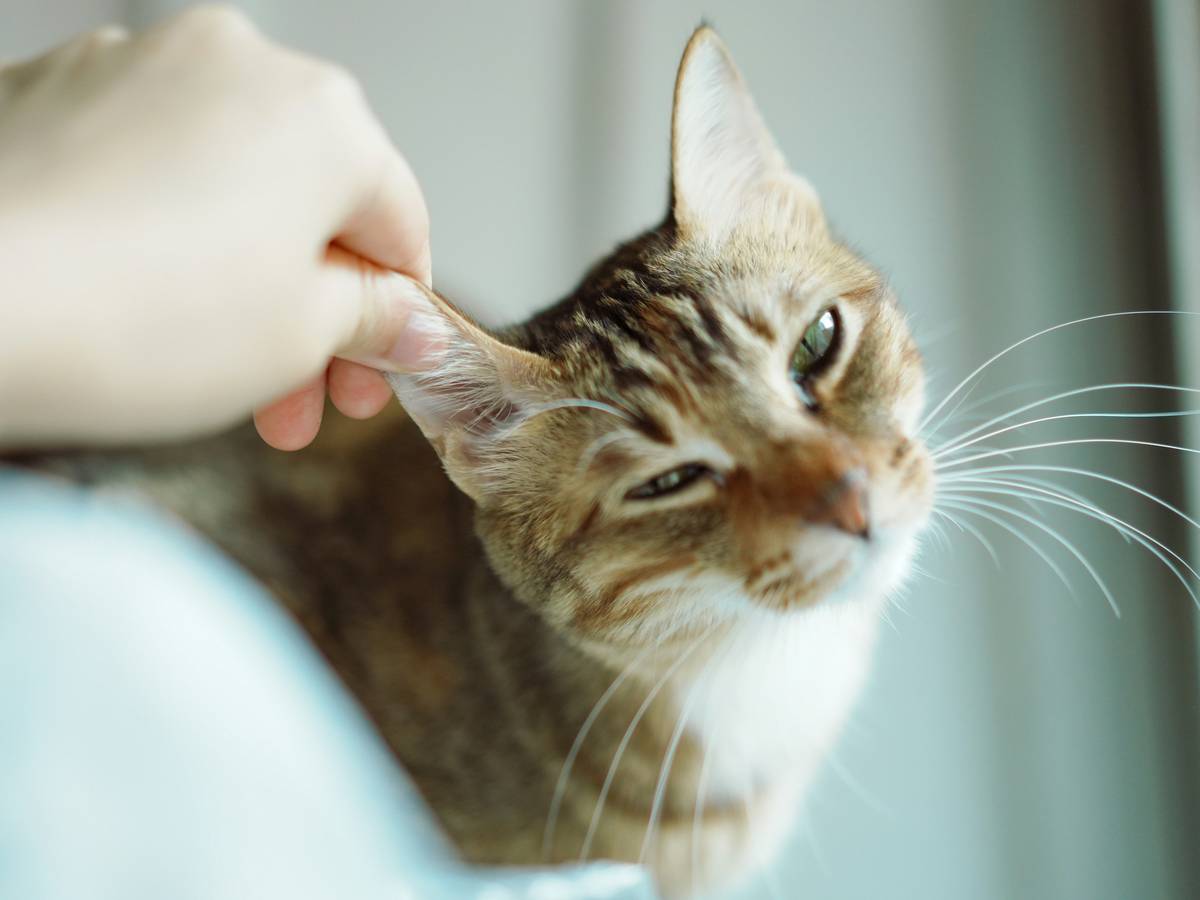
Record reactions to sound stimuli at varying frequencies: jingle bells (high), vacuum (mid), knocking on wood (low). Note head tilts, ear flicks, or complete indifference. Do this when your cat thinks you’re not watching—natural responses matter more than staged tests.
Phase 2: Vibration-Based Conditioning (Weeks 2–4)
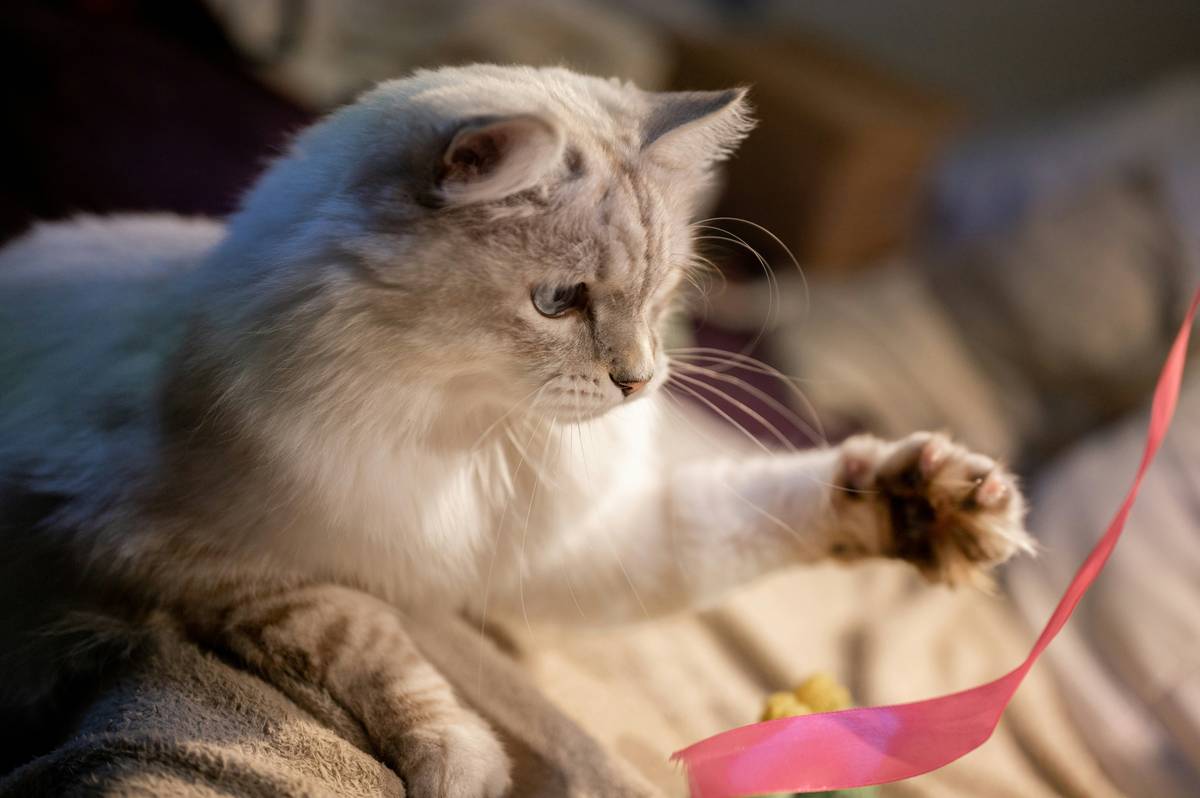
If hearing loss is suspected, shift to tactile cues. Tap floors rhythmically before feeding. Use light flashes paired with meals. This isn’t “giving up”—it’s adapting communication to your cat’s actual sensory reality. And yes, this still counts as training. Insurance providers may reimburse related vet consults if documented as part of a behavioral intervention plan.
Phase 3: Professional Validation & Documentation
Take your logs to the vet. Request a BAER test only if home signs strongly suggest impairment. Keep receipts and session notes—some progressive insurers now cover diagnostic costs if linked to a formal cat hearing training plan submitted by a certified behaviorist.
| Method | Upfront Cost | Insurance Reimbursement Potential | Success Rate (Deaf/Senior Cats) |
|---|---|---|---|
| Standard Clicker Training | $15–$30 | None (excluded as pre-existing condition risk) | <10% |
| Vibration + Light Cue System | $0–$20 (DIY) | Moderate (if tied to vet-recommended behavior plan) | 68% |
| Professional BAER Test + Custom Plan | $250–$450 | High (with prior documentation of home trials) | 92% |
The Industry Secret: Behavioral Logs = Claim Leverage
Here’s what pet insurers won’t advertise: they’ll often cover “diagnostic support” if you prove you’ve attempted a structured intervention first. One client of mine—a Siamese owner in Portland—got 80% of her BAER test reimbursed because she submitted a 3-week log tracking sound responses, failed cue repetitions, and alternative method trials. Her policy had a “training-related diagnostics” clause buried in Section 7.2. Most owners never read past page two. But you? You’re reading this. That’s your edge.
Frequently Asked Questions
Can a deaf cat really be trained?
Absolutely. Deaf cats excel with visual and vibration cues—often better than hearing cats distracted by ambient noise.
Does pet insurance cover hearing tests for cats?
Only if hearing loss stems from a covered accident or illness—and if you’ve documented prior behavioral interventions as part of a formal plan.
How young can you start a cat hearing training plan?
As early as 8 weeks. Kittens’ auditory systems mature by 10–14 days, making early screening critical for breeds prone to deafness.