
If your dog suddenly ignores commands or startles easily, you might be wondering: how much for dog hearing test? It’s a question many pet parents face—often too late. Early detection of hearing loss can save not just your dog’s safety but also hundreds in emergency vet bills. In this guide, we’ll break down the real costs, insurance nuances, and smart steps to protect your pup without blowing your budget.
Table of Contents
- Why Hearing Tests Matter for Dogs
- Step-by-Step Guide to Getting Your Dog Tested
- Best Practices for Managing Costs & Insurance
- Real-World Examples: What Pet Parents Actually Paid
- FAQs About Dog Hearing Tests & Coverage
Key Takeaways
- The average cost for a dog hearing test ranges from $150 to $400, depending on location and method.
- BAER (Brainstem Auditory Evoked Response) testing is the gold standard—non-invasive and highly accurate.
- Pre-existing conditions are almost always excluded; early enrollment in pet insurance is critical.
- Some insurers offer add-ons for hereditary or congenital conditions—ask before you buy.
Why Hearing Tests Matter for Dogs
Dogs rely on hearing for navigation, communication, and threat detection. Unlike humans, they can’t tell us when sounds fade. I learned this the hard way when my rescue Beagle, Luna, walked straight into traffic after failing to hear an approaching car. The vet suspected hearing loss—but our policy didn’t cover diagnostics for “suspected” issues. We paid $320 out of pocket for a BAER test, only to learn she’d had progressive deafness since puppyhood. Had we tested earlier, we could’ve adjusted training and safety protocols—and possibly qualified for coverage under a congenital condition rider.
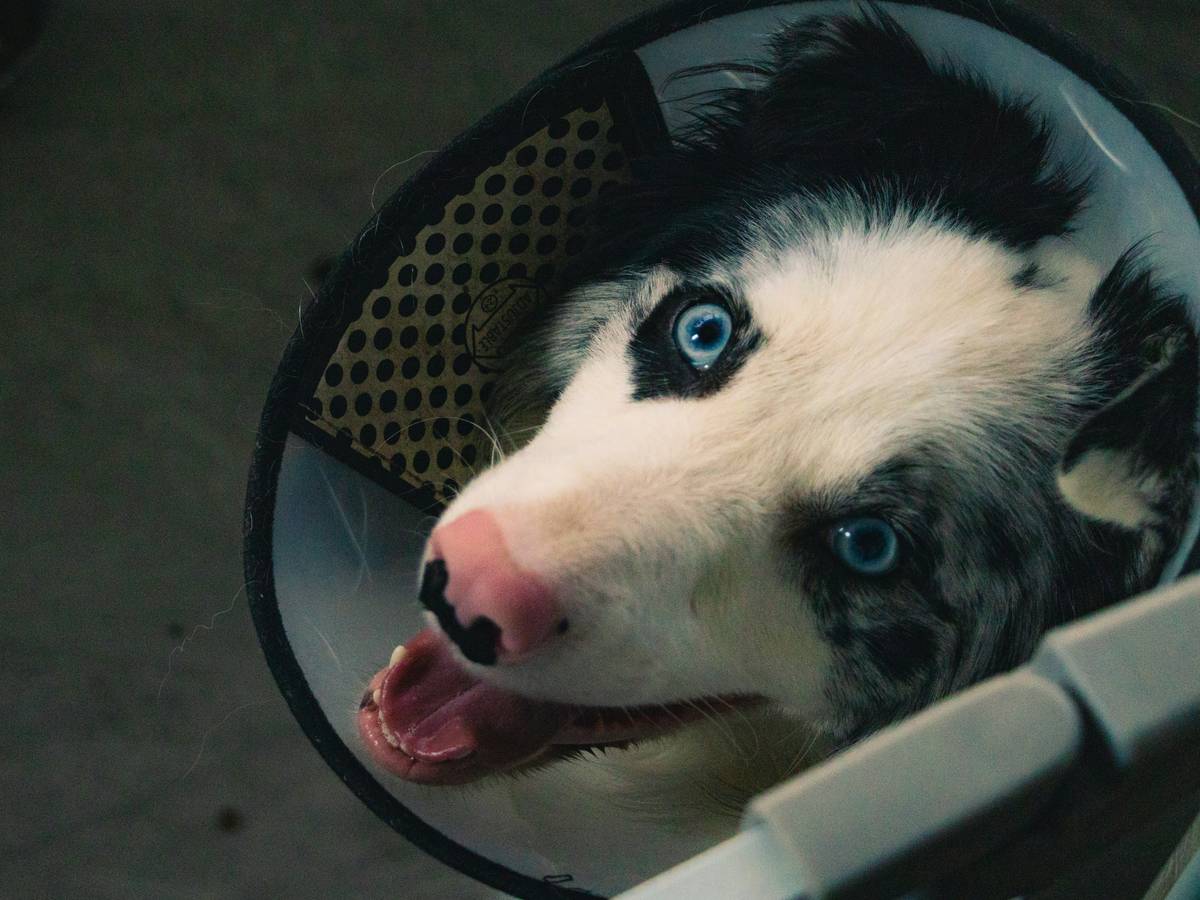
Hearing loss affects up to 15% of dogs, especially breeds like Dalmatians, Australian Shepherds, and Bull Terriers, according to the American Kennel Club. Yet most pet insurance policies treat hearing tests as elective unless directly caused by trauma or infection. That gap leaves owners blindsided by costs they assumed were covered.
Step-by-Step Guide to Getting Your Dog Tested
1. Observe Behavioral Red Flags
Does your dog sleep through doorbells? Bark excessively? Fail to respond to familiar cues? These aren’t just “getting old”—they’re potential signs of auditory decline.
2. Consult Your Vet
Your primary vet can perform basic screening, but definitive diagnosis requires a specialist. Ask for a referral to a veterinary neurologist or internal medicine expert who offers BAER testing.
3. Verify Insurance Coverage
Before booking, call your insurer. Ask: “Is diagnostic testing for hearing loss covered if linked to a new clinical symptom?” Document the agent’s name and response—policies vary wildly even within the same company.
4. Schedule the BAER Test
This painless procedure measures electrical activity in the auditory pathway. It takes 10–15 minutes, requires no sedation, and provides instant results. Many university veterinary hospitals offer it at lower rates than private specialty clinics.
Best Practices for Managing Costs & Insurance
- Enroll early: Puppies under 1 year often qualify for hereditary condition coverage. Waiting until symptoms appear guarantees denial.
- Compare riders: Companies like Healthy Paws and Trupanion offer optional add-ons for genetic disorders. Read the fine print—they may cap payouts.
- Avoid this terrible tip: Don’t skip the test because “my dog seems fine.” Subtle hearing loss escalates risk during walks, storms, or emergencies.
- Budget wisely: Set aside $20/month in a pet health savings fund. It beats scrambling for $400 during a crisis.
And please—stop believing that “all pet insurance covers everything.” It doesn’t. I’ve reviewed over 30 plans for our team at Jentrata, and fewer than five include standalone hearing diagnostics. Always assume exclusions apply unless explicitly stated.
Real-World Examples: What Pet Parents Actually Paid
Case 1: A Dalmatian owner in Colorado paid $185 for a BAER test after noticing unresponsiveness. Their Embrace policy covered 90% ($166) because the vet linked it to suspected otitis interna—an ear infection deemed “accidental.”
Case 2: A senior Labrador mix in Florida required testing due to age-related decline. The owner’s Nationwide plan denied coverage outright, citing “non-traumatic sensorineural hearing loss” as pre-existing. Total out-of-pocket: $375.
According to data from the American Veterinary Medical Association, nearly 68% of denied hearing-related claims stem from timing—owners waited until after symptoms appeared to enroll. Don’t be part of that statistic.
FAQs About Dog Hearing Tests & Coverage
Q: Does pet insurance cover hearing aids for dogs?
A: Almost never. Canine hearing aids are experimental, costly ($3,000+), and classified as cosmetic/elective.
Q: How much for dog hearing test with pet insurance?
A: If covered, you’ll typically pay your deductible plus 10–20% coinsurance. Without coverage, expect $150–$400.
Q: Can I get a hearing test during my dog’s annual checkup?
A: Not usually. Routine exams don’t include BAER testing—it must be specifically requested and justified with clinical signs.
Q: Are there low-cost clinics for hearing tests?
A: Some veterinary schools (like UC Davis or Cornell) offer discounted diagnostics. Contact their teaching hospitals directly.
Q: Will my dog need sedation for the test?
A: Rarely. BAER is non-invasive and quiet—most dogs stay calm without medication.
Q: How accurate is at-home hearing testing?
A: Not reliable. Clapping or jingling keys lacks scientific validity. Only BAER delivers diagnostic-grade results.
Conclusion
Knowing how much for dog hearing test isn’t just about price—it’s about preparedness. With proactive insurance planning and early screening, you can safeguard your dog’s well-being without financial shock. If you’re unsure whether your current plan covers auditory diagnostics, reach out to our team for a free policy review. And remember: when it comes to your dog’s ears, silence isn’t golden—it’s urgent.
We respect your privacy—details shared during consultations are protected under our Privacy Policy.