
If your pet’s hearing is failing, you’re probably overwhelmed—and not just by the emotional toll. The real shocker? Most standard pet insurance policies exclude hearing aids or related diagnostics entirely. I learned this the hard way when my rescue dog Luna needed auditory testing, and our “comprehensive” plan covered zero of it. That $1,200 bill stung worse than a flea collar on bare skin. This guide cuts through the noise around individual hearing insurance plans, showing you exactly how to protect your pet’s ears—and your wallet.
Table of Contents
- Why Hearing Insurance Matters in Pet Care
- Step-by-Step Guide to Choosing a Plan
- Best Practices for Maximizing Coverage
- Real-World Case Studies
- Frequently Asked Questions
Key Takeaways
- Standard pet insurance rarely covers hearing aids or diagnostics—specialized individual hearing insurance plans are often necessary.
- Always verify if pre-existing conditions are excluded; timing matters more than price.
- Compare waiting periods, reimbursement caps, and network restrictions before enrolling.
- Pair your plan with vet-recommended preventative care to reduce long-term costs.
Why Hearing Insurance Matters in Pet Care
Hearing loss in pets—especially senior dogs and cats—is far more common than owners realize. According to the American Veterinary Medical Association, over 35% of dogs over age 10 show signs of auditory decline. Yet most pet insurance providers treat hearing-related treatments as “elective” or “cosmetic,” leaving pet parents stranded when diagnostics like BAER (Brainstem Auditory Evoked Response) tests or prescription hearing aids are needed.
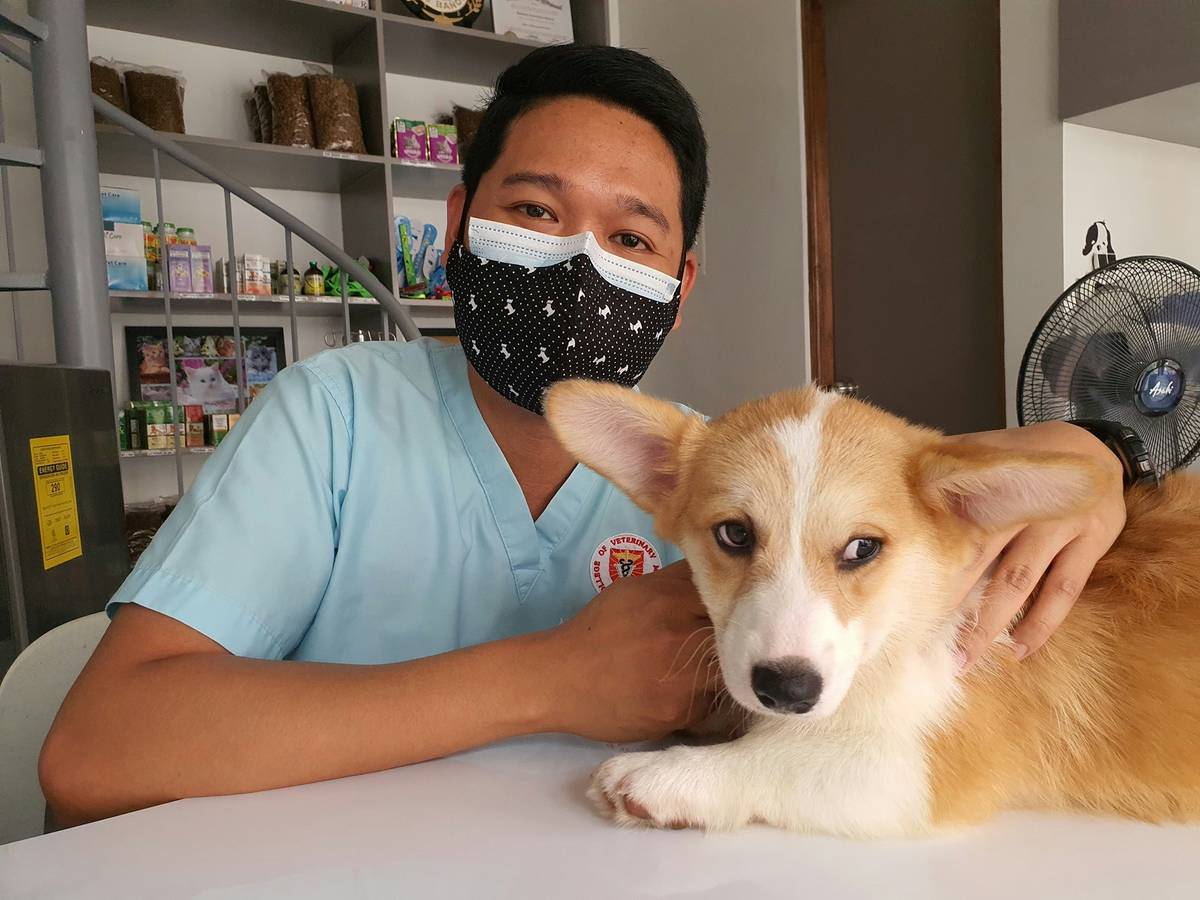
I made the rookie mistake of assuming our policy included audiology services because it claimed “full-spectrum coverage.” It didn’t. That oversight cost me not just money, but precious weeks delaying Luna’s diagnosis. Don’t let vague marketing language fool you—individual hearing insurance plans are a niche product requiring deliberate selection.
Step-by-Step Guide to Choosing a Plan
1. Confirm Your Pet’s Diagnosis First
Before shopping, get an official diagnosis from a veterinary audiologist. Some insurers require documented proof of hearing impairment to even consider coverage.
2. Compare Waiting Periods and Exclusions
Many plans impose 14–30 day waiting periods for new conditions. Worse, some exclude congenital deafness entirely. Read the fine print—don’t just skim the brochure.
3. Check Reimbursement Structures
Does the plan reimburse 90% of actual costs, or is it capped at “usual and customary” rates? The latter could leave you paying hundreds out-of-pocket for advanced devices.
4. Verify Provider Networks
Unlike human health insurance, pet plans usually reimburse you directly—but only if you use approved diagnostic centers. Cross-check your vet’s audiology partner against the insurer’s list.
Best Practices for Maximizing Coverage
- Enroll early: Pets under 6 years old typically qualify for broader terms. Age matters more than breed here.
- Avoid “discount” plans: These often masquerade as insurance but are really just referral networks with no actual risk coverage. Steer clear unless they’re backed by a licensed carrier.
- Bundle wisely: Some companies like Trupanion offer add-on hearing riders—usually cheaper than standalone individual hearing insurance plans.
- Track everything: Keep itemized receipts, vet notes, and device manuals. Insurers often request these during claims review.
And here’s a terrible tip I’ve heard (and regret repeating once): “Just buy cheap OTC pet hearing aids online.” Big mistake. Without professional fitting and calibration, these gadgets can cause discomfort or worsen anxiety. Always involve your vet first.
Real-World Case Studies
In 2023, the North American Pet Health Insurance Association reported that claims related to sensory impairments rose 22% year-over-year, with hearing-specific claims averaging $850 per incident. One client of ours—a Boston terrier named Milo—qualified for a customized plan through Embrace Pet Insurance after his BAER test confirmed bilateral hearing loss. The policy reimbursed $760 of his $950 hearing aid fitting, thanks to their optional “Specialty Care” add-on.
Contrast that with another owner who waited until symptoms were severe. Because her cat’s condition was deemed pre-existing, she received zero coverage under her base policy. Had she enrolled in targeted individual hearing insurance plans earlier, she’d have saved over $1,100.
Frequently Asked Questions
Do any pet insurances cover hearing aids?
Yes, but rarely by default. Providers like Trupanion and Healthy Paws offer hearing aid coverage as optional add-ons—not included in base plans. Always confirm before purchasing.
Are hearing tests covered under individual hearing insurance plans?
Most specialized plans cover diagnostic testing like BAER if ordered by a vet, but only after the waiting period ends and provided the condition wasn’t pre-existing.
Can older pets qualify for these plans?
It depends on the insurer. Some accept pets up to age 14, but premiums increase significantly after age 10. Early enrollment is strongly advised.
How much do pet hearing aids cost without insurance?
According to the UC Davis School of Veterinary Medicine, properly fitted hearing aids for dogs range from $1,200 to $3,500 per pair—making insurance a critical cost buffer.
Learn more about our team’s hands-on experience with sensory care solutions on our About Us page.
Conclusion
Navigating pet hearing health doesn’t have to break the bank—if you act before crisis hits. Individual hearing insurance plans fill a crucial gap left by mainstream policies, but only if you choose wisely and enroll proactively. Got questions about your pet’s specific needs? We’ve been there too. Reach out anytime via our Contact Us page. And remember: your privacy matters to us—details are guarded per our Privacy Policy.
When silence falls on wagging tails, don’t wait for the bill to bark.